Cook Family Books and Publications
The Cook Family Organization has produced several books and publications documenting our rich family history. These works preserve the stories, genealogy, and legacy of our ancestors for current and future generations.
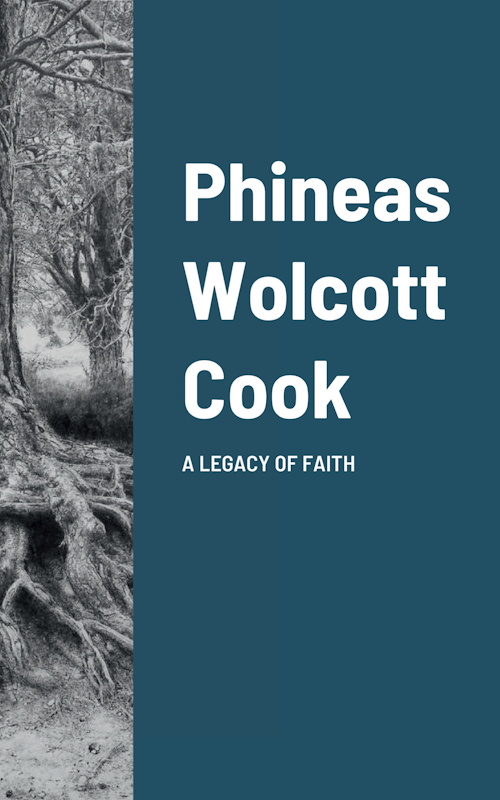
Phineas Wolcott Cook: A Legacy of Faith (2022 Edition)
Born in Goshen, Connecticut in 1819, Phineas Wolcott Cook joined the fledgling Church of Jesus Christ of Latter-day Saints in 1845 after relocating to Michigan. Along with his wife and young children, Phineas made his way to Winter Quarters, Iowa and then Salt Lake City, Utah where he married 3 other women and helped found and settle several cities in Utah and Wyoming. This volume reproduces his previously published memoirs and also includes biographical materials detailing the family's activities until Phineas' death in 1900. Context material has also been added to explain historical information as well as details of 18th century life that unfamiliar to a modern audience. Full color pictures, original-handwriting samples from the memoir, maps, and posterity details augment this heirloom edition. Painstakingly researched and beautifully presented, the biography of this humble, faithful, industrious, early Latter-day Saint pioneering family is a historical treasure.

The Journal of Ann Eliza: 1894-1896
Ann Eliza Howland (1823-1896) was a settler and pioneer who crossed the United States for her faith as a member of the Church of Jesus Christ of Latter-day Saints. She was the first wife of polygamist Phineas Wolcott Cook and bore 16 children, most of who died before her. She braved living in many parts of Utah settling finally in Garden City, Utah. She wrote a daily journal of the last 2 years of her life chronicling her experiences, hardships, and joys.
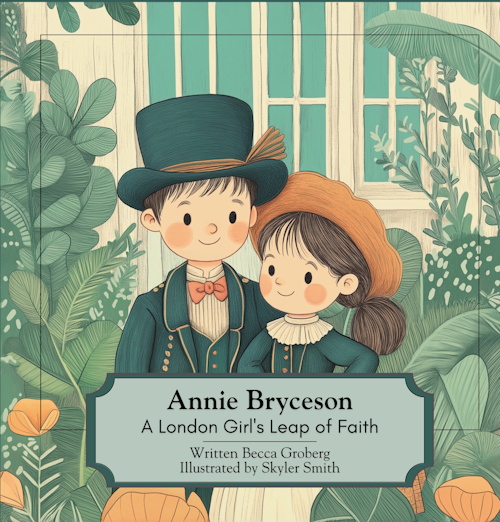
Annie Bryceson: A London Girl's Leap of Faith
Annie Bryceson's quest for truth led her from her London home to a new faith. Her courage to leave her family and embrace the unknown brought her to the arms of a new community and to her love, Lashbrook Laker. Together they sailed to America, their faith a compass guiding them to a new beginning.
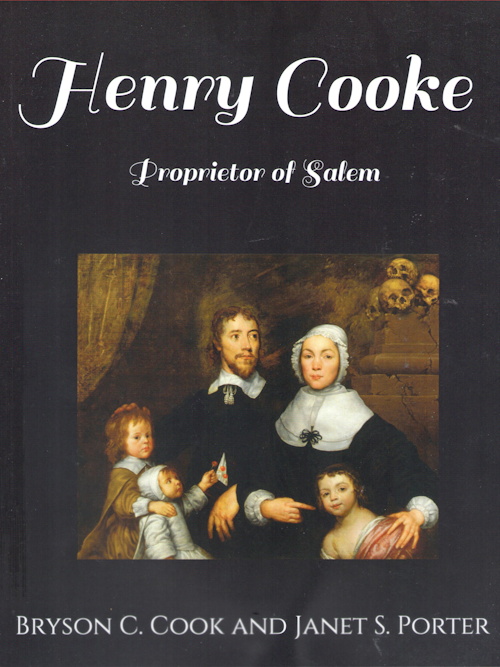
Henry Cooke: Proprietor of Salem (2023)
Henry Cooke was born in the early 1600s somewhere in England. He immigrated to New England and first showed up on records in 1638 when he was granted permission to settle in Salem, Massachusetts. Much is known about Henry's life in Salem, his occupations, family members, and even some personal conflicts. However, his birth city in England and the names and details of his family members are still unknown.
Samuel Bryson's Journey: Ireland to Woodruff
The remarkable story of Samuel Bryson's immigration and settlement
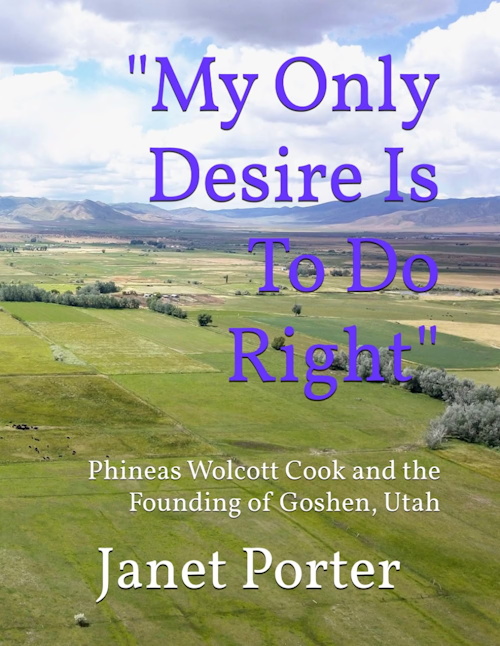
"My Only Desire Is To Do Right": Phineas Wolcott Cook and the Founding of Goshen, Utah
The settlement of Goshen, Utah in 1857 is explored through contemporary diary entries of its founding leader, Phineas Wolcott Cook. A small group of early Latter-day Saint pioneers desiring to own land, made their way to this dry, dusty Wasatch valley trying to forge a living. Success was not guaranteed. They experimented with local self-government, received direction from church and state leaders, reacted to national and territorial events, and dealt with interpersonal conflict. This book explores their motivations, concerns, and actions during the 3 years that Cook presided over them as Bishop and civil leader. Goshen exemplifies a microcosm of early Utah history and settlement of the American West, especially in the context of early Latter-day Saint westward expansionism.
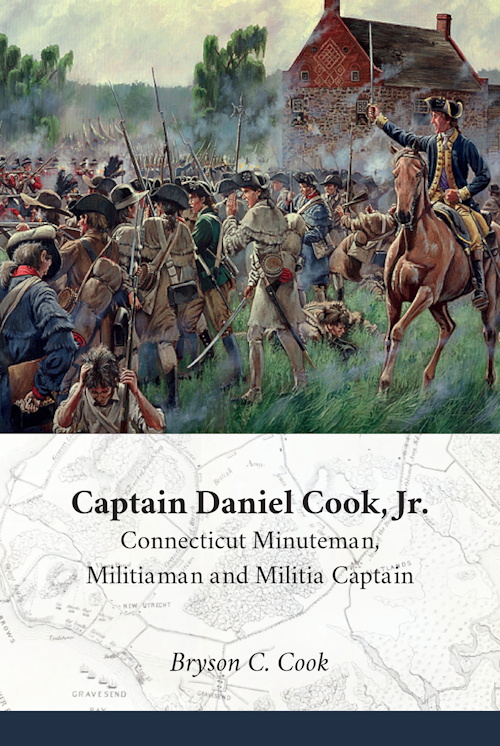
Captain Daniel Cook, Jr.: Connecticut Minuteman, Militiaman and Militia Captain
After four generations in the Colony of Connecticut, the Cook family had become independent, self-reliant, and determined to stay that way. Daniel Cook Jr. was the beneficiary of this legacy, blessed with the desire to see his freedoms preserved. He was willing to put himself in harm's way even if it meant going to war; even if it meant a Connecticut farm boy would have to take on the most powerful nation on earth. This volume describes what we know about Daniel Cook's service in the American Revolution and his fight for independence.
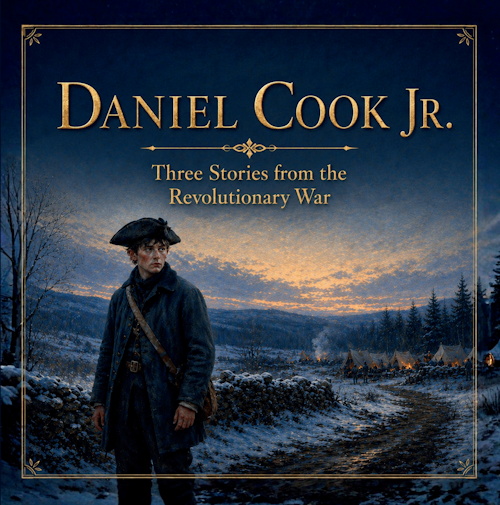
Daniel Cook Jr.: Three Stories of the Revolutionary War
When Daniel Cook Jr. joined the Revolutionary War, he was only fifteen years old. These three true family stories follow young Daniel through danger, hunger, and daring escapes -- from a midnight encounter with enemy soldiers to a desperate journey to feed starving men. Preserved by his grandson, Phineas Wolcott Cook, Daniel's experiences remind us that history is made not only by famous leaders, but also by brave young soldiers whose stories deserve to be remembered.
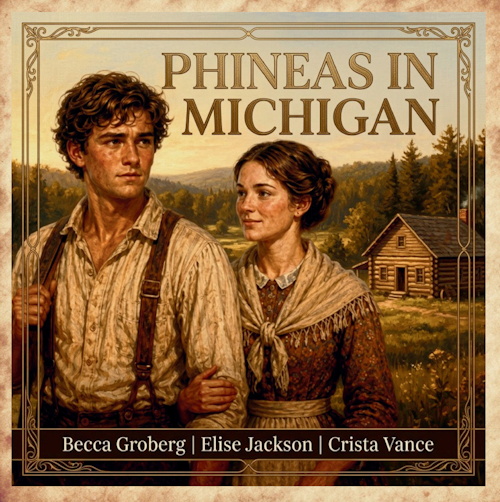
Phineas in Michigan
Seventeen-year-old Phineas Cook always thought he would spend his life on his family's cozy farm in Goshen, Connecticut. But when unfair debts force them off their land, his world is turned upside down. With rumors of cheap, open land out west, Phineas packs what little he has and sets off on a wild adventure to the rugged territory of Michigan. Based on a true story, this inspiring journal chronicles one boy's journey through the wilderness to find his purpose, his family's freedom, and the "Right Way."
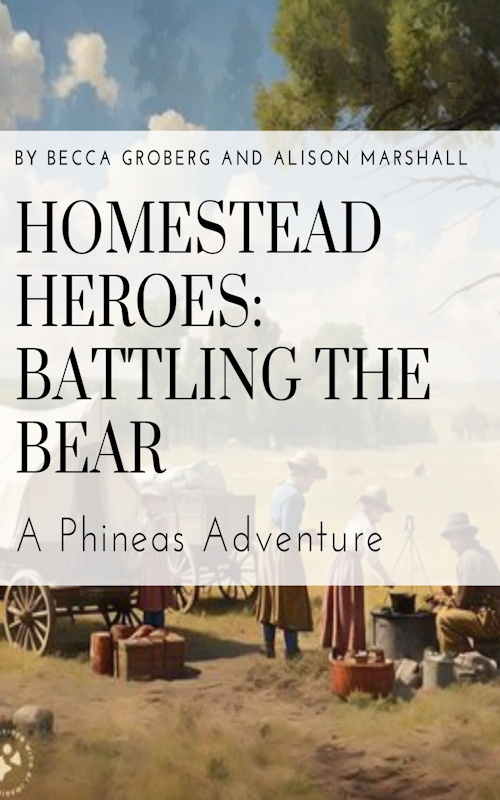
Homestead Heroes: Battling the Bear: A Phineas Adventure
Follow Phineas Wolcott Cook's adventures in Michigan as he and other townsfolk encounter a bear in their community!
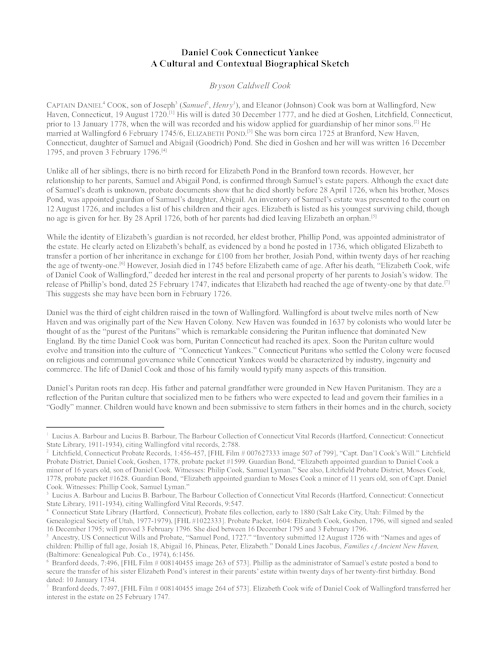
Daniel Cook Sr. Connecticut Yankee: A Cultural and Contextual Biographical Sketch
This sketch by Bryson Caldwell Cook examines Captain Daniel Cook (1720–1777/78), a Wallingford-born Connecticut farmer who settled in Goshen and bridged Puritan traditions with emerging Yankee culture. It covers his Puritan roots, farming life, the First Great Awakening’s Old Light–New Light tensions in Goshen, and his roles as surveyor, grand juror, selectman, school committeeman, and militia captain. The account shows the colonial shift toward industry, ingenuity, self-governance, and independence through his prosperity, literacy, and his family’s Revolutionary War involvement. Drawing on vital records, probate papers, deeds, and town minutes, it traces how his life—from Elizabeth Pond’s inheritance to signing the 1777 Oath of Allegiance—moved from rigid Puritan authority to pragmatic Yankee enterprise and risk for American independence.